2026 Top Silent Generator Set Buyers Guide and Insights?
In recent years, the demand for Silent Generator Sets has surged. These generators are crucial for industries requiring optimal performance without noise pollution. According to a report by ResearchAndMarkets, the global generator market is projected to reach USD 40 billion by 2026, with silent models driving significant growth.
The advantages of Silent Generator Sets extend beyond mere sound reduction. They offer reliability during power outages, ensuring business continuity. In sectors such as healthcare and events, the need for quiet operation is paramount. A study from MarketsandMarkets indicates that noise-optimized generators can reduce disturbances by up to 50%, significantly enhancing the user experience.
However, selecting the right Silent Generator Set is not straightforward. Buyers face challenges like balancing cost, power output, and fuel efficiency. Insights from industry experts reveal that many consumers overlook maintenance aspects, which are critical for longevity. Understanding these nuances can lead to more informed purchasing decisions in the upcoming market landscape.
Types of Silent Generator Sets: An Overview of Options Available
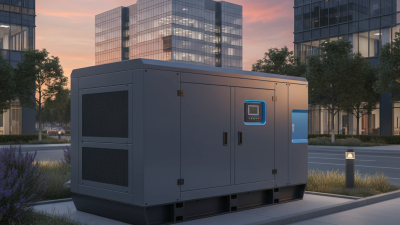
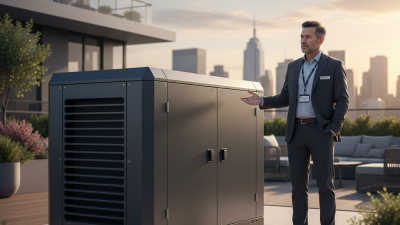
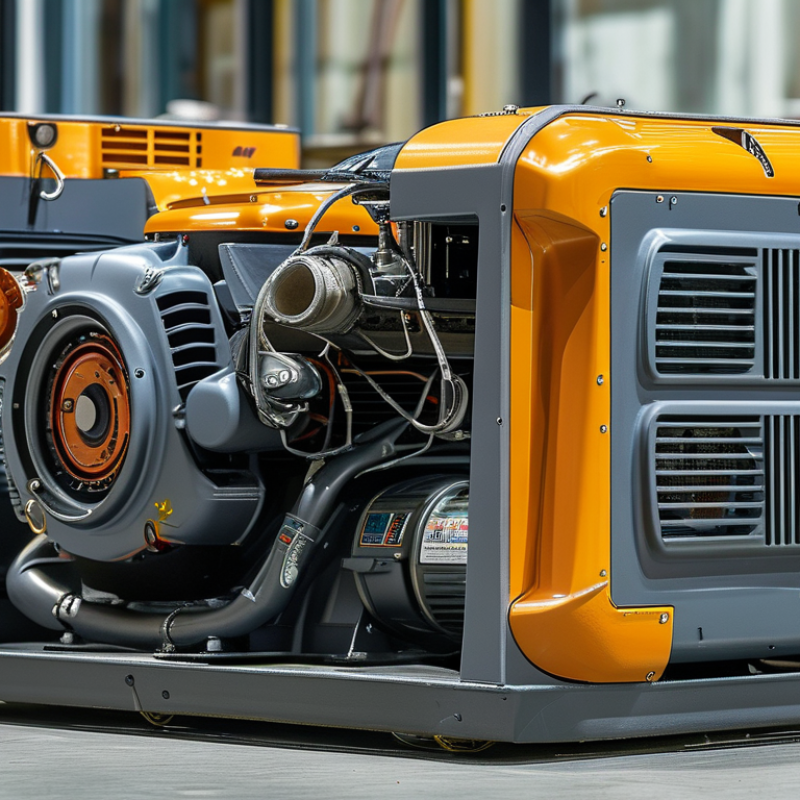
Silent generator sets have become essential for many users, especially in emergency and remote power scenarios. These units operate quietly, making them ideal for residential and commercial use. They come in various types, each tailored for different requirements. Understanding these types is crucial for making an informed purchase.
Portable silent generators are versatile. They are easy to transport and set up quickly. These generators usually power tools or small appliances. However, they may not provide sufficient energy for larger systems. In contrast, standby silent generators install permanently and automatically start during outages. They offer more power but require more space and a higher upfront investment.
Inverter silent generators represent another option. These generators produce cleaner power, ideal for sensitive electronics. They're generally lightweight and compact. Yet, they may have limitations in terms of maximum output. Each type has advantages and drawbacks, so identifying specific needs can guide the decision-making process. Keep in mind that compromises may be necessary based on power requirements and budget limitations.
2026 Silent Generator Set Types Overview
Key Features to Consider When Buying a Silent Generator Set
When purchasing a silent generator set, several key features are critical for making an informed decision.
Noise levels are paramount. Most silent generators operate at decibel levels between 50 to 65 dB, which is comparable to normal conversation.
Selecting a generator within this range ensures minimal disruption in residential and commercial settings.
Additionally, considering fuel efficiency is essential. Reports indicate that generators with higher fuel efficiency can significantly reduce operational costs over time.
Portability is another important aspect. Many consumers seek lightweight models for easy transportation. A unit weighing under 100 pounds is manageable for most users.
Furthermore, look for features such as automatic shut-off systems. This safety feature can prevent damage and enhance durability.
According to industry research, generators with advanced safety measures often have a longer lifespan and better reliability.
Lastly, assessing the power output is crucial. Generators vary widely in capacity, typically ranging from 1,000 to 10,000 watts.
It is vital to choose a generator that meets your specific power needs without excess capacity that could lead to wasted energy.
It may seem tempting to opt for larger units, but overcapacity can contribute to inefficiencies and increased emissions.
Top Brands and Models of Silent Generator Sets for 2026
Silent generator sets have gained immense popularity due to their reduced noise levels and efficiency. In 2026, selecting the right model will be crucial for both commercial and residential needs. Data from industry reports indicate that average noise levels for high-quality silent generators are around 50-60 dB. This makes them ideal for settings where noise pollution is a concern.
When exploring top models, it’s important to analyze energy output, fuel efficiency, and ease of maintenance. Numerous reports suggest that models with an output range between 3 kVA and 10 kVA are preferred for domestic use, while commercial applications often require higher capacities. For instance, some standout specifications include dual-fuel capabilities, which allow users to switch between diesel and gas based on availability and price fluctuations.
However, buyers should also consider service and support availability. A lack of local service can lead to frustrating downtimes. Potential users must reflect on whether they prioritize quiet operation over cost. Silent generators, while efficient, often come with a higher price tag. Awareness of these factors can lead to informed decisions, balancing performance with financial practicality.
Cost Analysis: What to Expect When Purchasing a Silent Generator Set
When considering the purchase of a silent generator set, cost is a critical factor. Current industry reports suggest that the average price range for quality silent generators is between $2,000 and $15,000. This variance depends on power capacity, fuel type, and features like automatic start. Installation costs add another layer. Professionals typically charge $500 to $2,000, depending on site complexity and additional requirements.
Maintenance can also accumulate costs over time. Regular services and repairs can average around $300 annually. However, neglecting maintenance can lead to higher expenses and reduced lifespan. Some users report experiencing considerable downtime due to unforeseen breakdowns. Investing in high-quality components and proper installation is essential, as it can reduce long-term costs substantially.
In addition to purchase price, consider the operational efficiency of the unit. Silent generators are designed to be fuel-efficient, averaging up to 25% less fuel consumption compared to traditional models. This factor directly impacts long-term operating costs. However, selecting the right generator for specific needs remains challenging. Not everyone adequately evaluates their power needs before purchasing. It’s advisable to conduct a thorough analysis to avoid costly mistakes.
2026 Top Silent Generator Set Buyers Guide and Insights
| Feature |
Value |
| Noise Level (dB) |
50-70 |
| Power Output (kW) |
5-100 |
| Fuel Type |
Diesel, Gasoline, Propane |
| Runtime (hours) |
8-24 |
| Weight (kg) |
50-500 |
| Average Cost ($) |
1,000-9,000 |
| Warranty (years) |
1-3 |
Maintenance Tips for Ensuring Longevity of Silent Generator Sets
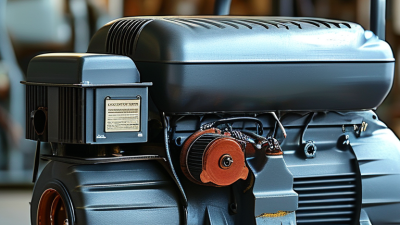
Maintaining a silent generator set is crucial for its longevity. Regular checks on oil levels can prevent serious engine damage. It’s essential to replace old oil according to the manufacturer's schedule. Using clean, high-quality fuel also makes a difference. Contaminated fuel can lead to performance issues.
Air filters should not be ignored. Dirty filters restrict airflow and can cause overheating. Inspect and clean or replace them regularly. A cooling system needs attention too. Ensure coolant levels are adequate and check for leaks. Monitor the temperature gauge to avoid overheating signs.
Moreover, consider the battery’s condition. A weak battery can lead to starting problems. Regularly check connections and clean corrosion. Some users overlook the importance of this step, which can be detrimental. Always consult the service manual for specific maintenance intervals. This attention to detail ensures your generator runs effectively for years.