How to Choose the Right Generator Set for Your Needs?
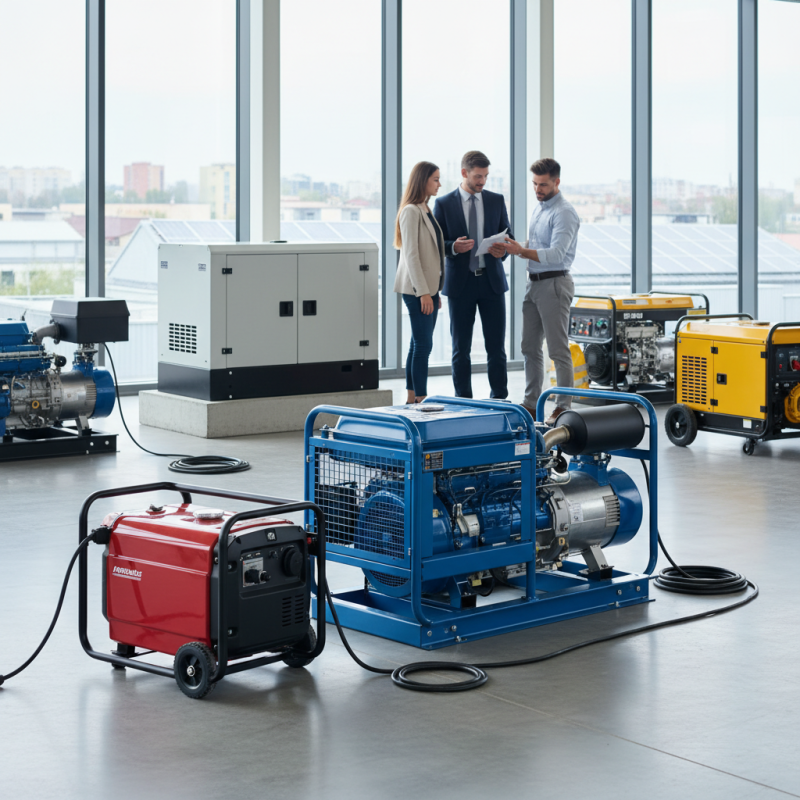
Choosing the right Generator Set can greatly impact your operations. Whether for home use, events, or businesses, understanding your needs is essential. Generator Sets come in various types and sizes, catering to different requirements.
Consider your power demands. Calculate the wattage of necessary appliances. Assessing this helps in selecting a suitable unit. Portability may also matter. Some Generator Sets are static, while others are mobile. Think about where you will use it often.
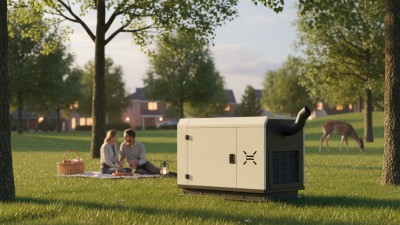
It is important to reflect on noise levels as well. Some units can be quite loud, impacting the surrounding area. Look for models with noise reduction features. Finally, consider the brand’s reliability. Research user reviews for insights. Making a hasty decision might lead to regrets later. Choosing wisely ensures you get the right Generator Set for your unique needs.
Factors to Consider When Selecting a Generator Set for Different Applications
When selecting a generator set, understanding your specific needs is crucial. Different applications demand different features. For instance, commercial settings often require more robust units that can handle high power loads, typically over 10 kW. A report by the International Energy Agency states that industrial generators can operate continuously for more than 5,000 hours annually.
Consider the power output requirement. It’s vital to calculate the total wattage of all devices you plan to power. Oversizing may lead to unnecessary fuel expenses. An inefficient generator can consume 20-30% more fuel. Always align the generator's capability with your actual needs.
Tips: Always check the fuel type. Diesel generators offer efficiency but can be noisy. Propane units are quieter but may provide less power. Think about maintenance frequency too. Some units require more frequent oil changes based on usage, which can impact your operation schedule.
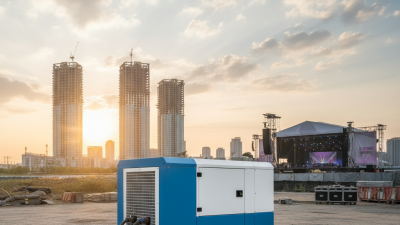
Evaluate portability if mobility is necessary. Mobile generators weigh between 200-300 pounds and can be easily transported. However, fixed units usually provide more power and reliability. Always weigh these factors before making a decision. This can help to avoid costly mistakes in the long run.
Understanding Power Output Requirements: kW vs. kVA Explained
When selecting the right generator set, understanding power output is crucial. The terms
"kW" and "kVA" are often used interchangeably, but they represent different measurements.
kW, or kilowatts, indicates the real power needed to perform work.
kVA, or kilovolt-amperes, measures apparent power, which includes both real power and reactive power.
According to industry reports, the power factor for most generator sets ranges between 0.8 and 1.0.
This means that a generator rated at 10 kVA might only provide about 8 kW of usable power.
Understanding your specific needs is essential. For residential usage, a standard 5 kW generator typically suffices.
However, for businesses, the load can be more complex. Consider peak demands versus normal operational loads.
Many users overlook surge power requirements. Some equipment draws more power at startup, which can trip the generator.
Studies suggest that underestimating power needs can lead to inefficiencies and increased costs.
Cultivating a solid understanding of these metrics pays off in the long run.
Assessing Fuel Types: Diesel, Gasoline, and Alternative Fuels Overview
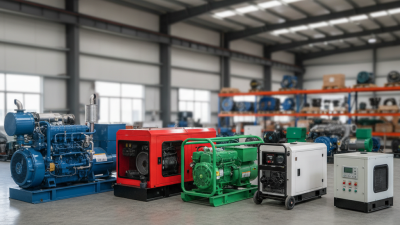
When choosing a generator set, fuel type plays a critical role. Diesel, gasoline, and alternative fuels each have unique advantages and challenges. According to the U.S. Energy Information Administration, diesel generators are favored for their efficiency and longevity. They can operate for extended periods without significant fuel loss, making them ideal for remote locations. However, diesel's higher emissions contribute to environmental concerns.
Gasoline generators are often chosen for their initial affordability. They are widely available and simpler to maintain. However, they may not endure long-term, especially under heavy loads. A report from the International Renewable Energy Agency highlights the growing popularity of alternative fuels like propane and natural gas. These options generally produce fewer emissions, aligning with global sustainability goals. Nonetheless, infrastructure for refueling can be a limitation.
Each fuel option has its drawbacks. Diesel can be noisy and may require regular maintenance to prevent issues. Gasoline might not deliver the expected runtime in intense situations. Alternative fuels need clear supply chains. Therefore, evaluating the intended use and location is essential for choosing the right generator set. Balancing cost, efficiency, and environmental impact can be quite challenging.
Evaluating Portability, Size, and Noise Levels for Home and Industrial Use
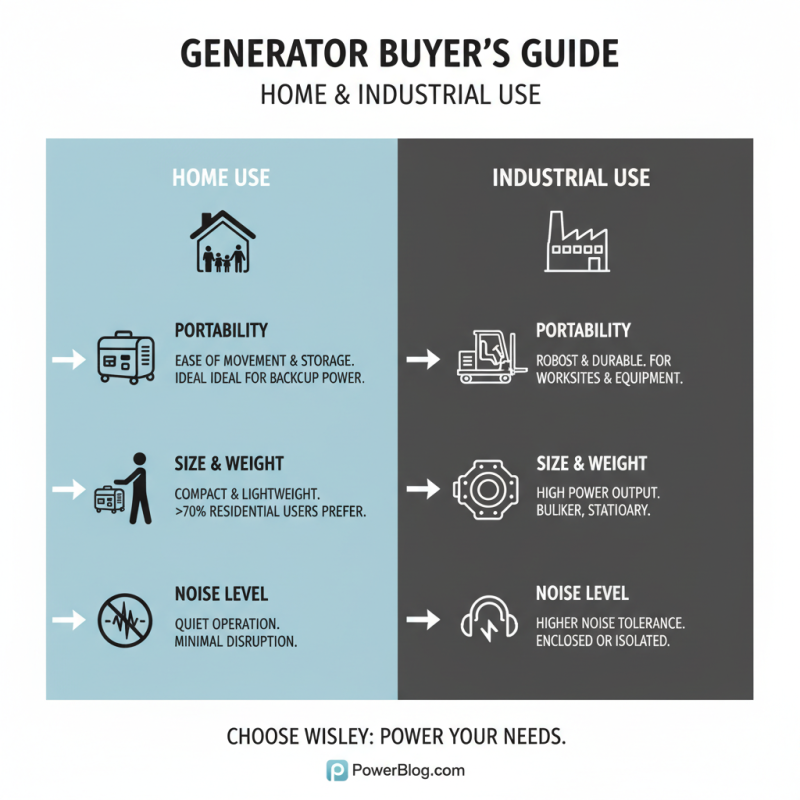
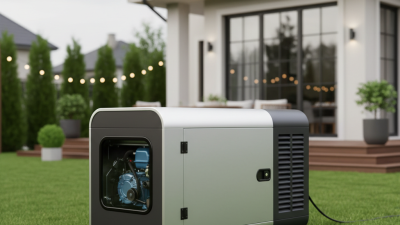
Choosing the right generator set requires careful consideration of portability, size, and noise levels. For home use, many households prefer portable generators. They are easy to move and store. According to recent industry reports, over 70% of residential users prioritize lightweight models that offer ample power output without excessive bulk.
In industrial settings, size becomes critical. Generators must be capable of handling high power demands. It is essential to assess the physical space available. A generator that's too large can hinder operations and waste valuable resources. Data shows that about 40% of industrial facilities face challenges in selecting appropriately sized generators, leading to inefficiencies.
Noise levels also play a significant role in both environments. Portable generators typically produce sound levels around 60-70 decibels. By contrast, industrial generators can exceed 85 decibels, potentially disrupting work and causing compliance issues. Noise optimization features are worth exploring, as they can significantly enhance usability in noise-sensitive areas. Balancing these factors is vital for making an informed decision.
Analyzing the Total Cost of Ownership: Purchase, Operation, and Maintenance Costs
When selecting a generator set, understanding the total cost of ownership (TCO) is crucial. The TCO includes three main components: purchase costs, operation costs, and maintenance costs. According to industry reports, initial purchase prices can range significantly based on size and type. For instance, small portable generators may cost around $500, while larger industrial units can exceed $20,000.
Operational expenses often account for the largest portion of TCO. Fuel costs, specifically, can add up quickly. Some estimates suggest that fuel costs can represent up to 60% of lifetime operating expenses. Moreover, the generator's efficiency can vary greatly. If a generator operates at only 50% efficiency, users could face significantly higher costs.
Maintenance is another critical factor often overlooked. Regular upkeep is necessary for optimal performance. Neglecting maintenance can lead to failure and costly repairs. Reports show that poorly maintained generators can lead to 20% higher operational costs. Balancing these facets is essential when making a decision. Users should reflect on how these costs align with their actual needs and usage patterns.