10 Essential Tips for Choosing a Diesel Generator Set?
When selecting a Diesel Generator Set, several factors play a crucial role in ensuring optimal performance. The global diesel generator market is expected to reach $28.6 billion by 2025, indicating growing demand for reliable power solutions. Organizations need to evaluate various aspects, including power output, fuel efficiency, and maintenance requirements. Each detail can significantly impact overall operational efficiency.
Reports have shown that improper selection can lead to increased operational costs and reduced reliability. A well-chosen diesel generator not only safeguards against power outages but also enhances productivity. Understanding load requirements and fuel consumption rates is essential for making an informed decision. The right generator can lower operating costs by up to 20%.
Ultimately, while diesel generators provide crucial backup power, the selection process often exposes common pitfalls. Many users overlook noise levels and emissions, which can lead to compliance issues. Investing time in understanding these elements can lead to a more sustainable and effective solution. Quality and reliability should remain at the forefront of your decision-making process.
Understanding Your Power Needs for a Diesel Generator Set
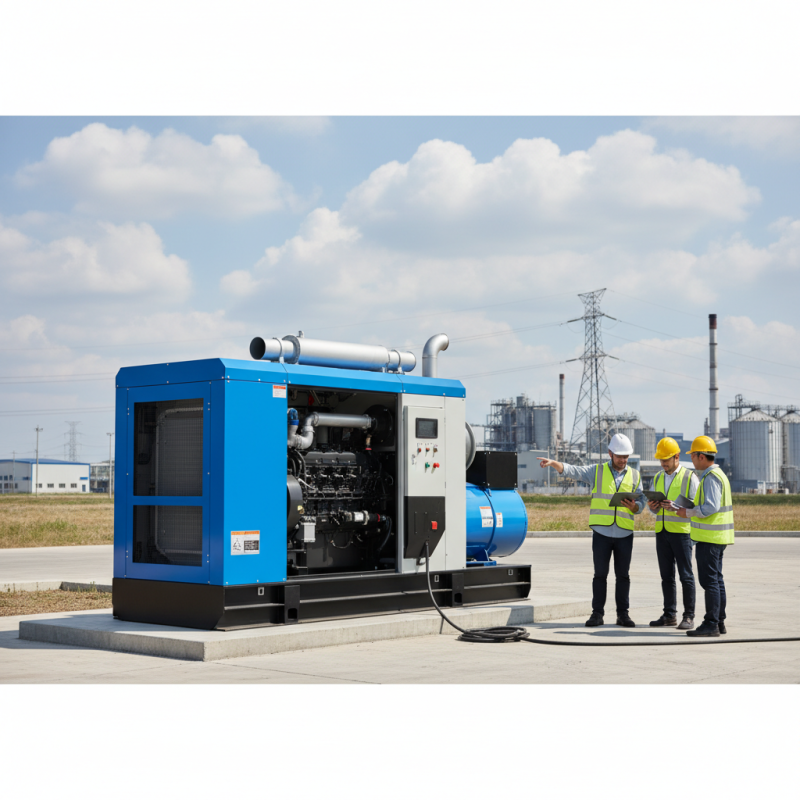
When selecting a diesel generator set, understanding your power needs is crucial. According to a report by the International Energy Agency, diesel generators contribute significantly to off-grid power solutions. They serve as reliable sources for industries like construction and agriculture. Knowing your power requirements ensures you choose a generator that meets your demands without overspending.
Tip 1: Assess your total wattage needs. List all devices you plan to power. Calculate the starting and running watts to get an accurate figure. This helps avoid purchasing a generator that is too small or excessively large.
Your generator set must align with your operational requirements. Many users overlook the importance of maintenance schedules. Regular checks can prolong the lifespan of your generator. In industries, proper maintenance can reduce downtime by up to 30%, as highlighted in a recent industry analysis.
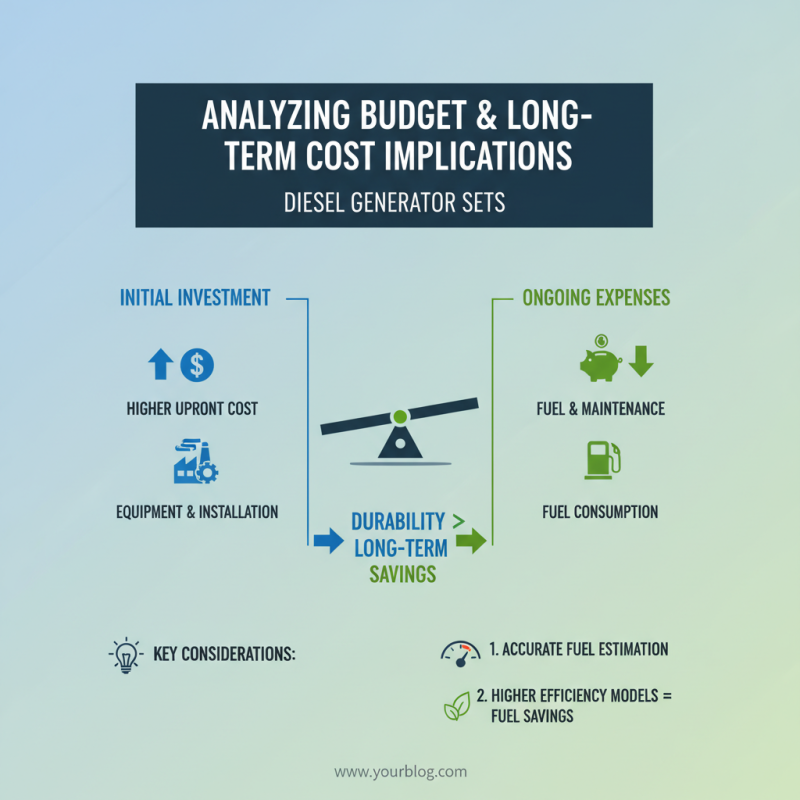
Tip 2: Evaluate the fuel efficiency of your chosen generator. Higher efficiency can lead to significant cost savings over time. This is especially relevant as fuel prices fluctuate.
Be mindful of environmental impacts. Emissions standards are stricter than ever. Choosing a generator that meets or exceeds regulations is vital for compliance and sustainability.
Evaluating Fuel Efficiency and Consumption Rates
When choosing a diesel generator set, fuel efficiency plays a critical role. Understanding the consumption rates is essential for evaluating operational costs. According to the Diesel Technology Forum, diesel generators can achieve fuel efficiencies ranging from 25% to 40%. This variance impacts how often you will refuel and the overall efficiency of your setup.
It's important to note the specific load requirements for your generator. A generator running at optimal capacity will achieve higher efficiency. However, many users operate generators below their rated capacity, leading to increased fuel consumption. A study by the International Energy Agency highlighted that poorly managed load conditions could increase fuel expenses by as much as 20%. This illustrates the need for accurate assessment of power needs.
Another key consideration is maintenance and its influence on fuel consumption. Regular maintenance can reduce fuel usage significantly. The U.S. Department of Energy suggests that neglected generators may consume up to 30% more fuel. Users must reflect on these factors to ensure they are choosing an efficient generator that meets their needs without excessive running costs.
10 Essential Tips for Choosing a Diesel Generator Set - Evaluating Fuel Efficiency and Consumption Rates
| Tip No. |
Tip Description |
Fuel Efficiency (L/h) |
Operational Hours on 100L |
Approx. Power Output (kW) |
| 1 |
Assess Your Power Needs |
3.5 |
28.57 |
10 |
| 2 |
Consider Fuel Type |
4.2 |
23.81 |
15 |
| 3 |
Evaluate Generator Size |
2.8 |
35.71 |
8 |
| 4 |
Check Fuel Consumption Rates |
5.0 |
20.00 |
20 |
| 5 |
Consider Startup Power Requirements |
3.0 |
33.33 |
12 |
Considering Noise Levels and Emission Standards
When selecting a diesel generator set,
noise levels and
emission standards are vital factors to consider.
Noise can impact your surroundings, affecting both residential and commercial areas.
Many generators operate above acceptable noise levels, disrupting daily life and work.
Researching decibel ratings is crucial. A generator that produces less noise can help you maintain a peaceful environment.
Emission standards are equally important. Diesel generators must meet specific regulations to minimize environmental impact.
Higher emissions contribute to air pollution and potential health issues.
Understanding the emission classification of a generator is necessary. It helps to ensure compliance with local regulations.
Some models have advanced technologies to reduce emissions, making them more eco-friendly.
However, balancing noise reduction and emission compliance can be challenging.
Some quieter models may sacrifice power output or efficiency.
It’s essential to reflect on your specific needs. Assessing your power requirements while considering noise and emissions can lead to better choices.
Take the time to compare different options. A well-informed decision can result in a generator set that perfectly meets your expectations without compromising on quality or the environment.
Assessing the Durability and Maintenance Requirements
When choosing a diesel generator set, durability and maintenance requirements are critical factors. According to a report from the Diesel Technology Forum, reliable performance is essential, particularly in remote locations. Regular maintenance ensures that the generator operates efficiently. A well-maintained machine can extend its lifespan by 30% or more.
Consider the materials used in construction. High-quality components can withstand harsh conditions, reducing the risk of breakdowns. Corrosion resistance and heavy-duty metals significantly impact durability. A study by the International Journal of Industrial Engineering indicates that generators with robust designs can last up to 20 years with proper care.
Maintenance should not be overlooked. Routine checks on oil levels, filters, and fuel systems are necessary. Experts recommend adhering to a strict schedule for servicing to avoid costly repairs. Many operators underestimate the importance of regular maintenance. Neglecting this aspect can lead to a decline in performance and efficiency, which can be costly over time.
Durability and Maintenance Requirements of Diesel Generator Sets