Top Low Noise Generator Set Options for Silent Power Solutions?
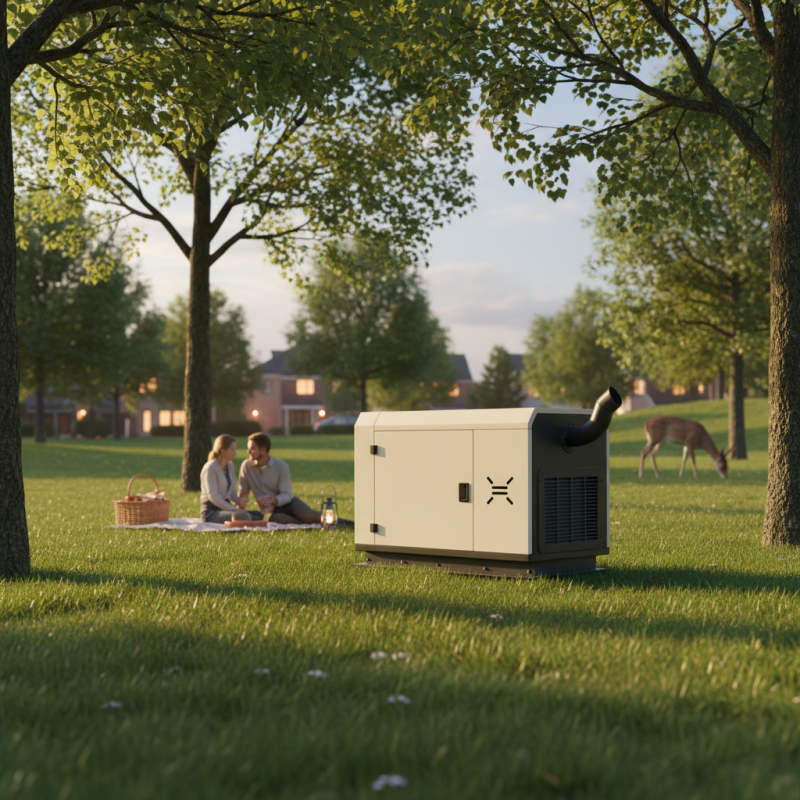
In today’s fast-paced world, the demand for quiet power solutions is growing. A Low Noise Generator Set can provide the needed energy without disturbing the peace. These generators are crucial for outdoor events, residential areas, and emergency situations.
When noise levels matter, selecting the right Low Noise Generator Set is essential. Many people underestimate the impact of noise pollution. High decibel levels can disrupt gatherings, affect wildlife, and annoy neighbors. Thus, finding a generator that prioritizes noise control is important for harmony.
Choosing a Low Noise Generator Set involves assessing its specifications and features. Some models perform well but may still exceed acceptable noise levels. Balancing power needs with sound reduction is not always straightforward. But prioritizing quieter options can lead to better experiences and a more sustainable environment.
Key Factors to Consider When Choosing Low Noise Generator Sets
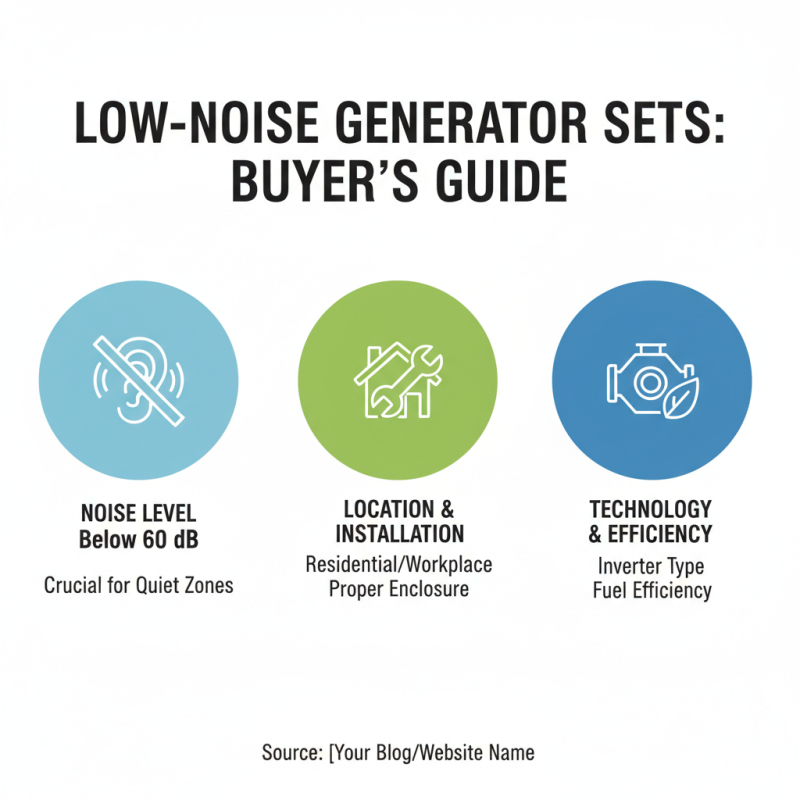
When selecting low noise generator sets, several important factors come into play. Noise level is a primary concern. Check the decibel rating. Look for models that operate below 60 dB, as these tend to be quieter. This is crucial for residential areas or work sites where silence is valued.
Fuel type impacts noise levels too. Diesel generators may tend to be louder compared to their gas counterparts. Additionally, consider the unit’s design. A soundproof enclosure can effectively reduce noise. Ensure the set also has vibration-dampening features. This minimizes sound transmission through surfaces.
**Tips:** Evaluate your power needs carefully before purchasing. Oversized units often operate louder than necessary. A model that fits your requirements can help maintain a low noise profile. Regular maintenance is vital as well. Wear and tear can increase noise over time. Always read reviews on operational noise levels to guide your choice.
Overview of Different Types of Low Noise Generator Sets
When considering low noise generator sets, it’s essential to explore the various types available. Silent generators are designed with soundproof enclosures. These reduce noise levels significantly. They are ideal for residential areas or events where quiet is crucial.
Another option is inverter generators. They are compact and lightweight. These generate clean energy and produce less noise than traditional models. Users often favor them for camping or outdoor activities. However, some might find the power output limited.
**Tips:** Choose a generator with advanced sound-dampening technology for quieter operation. Always check the decibel ratings before purchasing. It helps to visualize where you'll use the generator.
Portable generators are also popular. Many are surprisingly quiet. Yet, they may not deliver as much power. Their size allows for easy transport. Think about your power needs carefully. This helps avoid underperformance issues.
**Tips:** Consider how often you’ll move the generator. Weight matters if portability is a priority. Research local regulations on noise levels for generators.
Top Low Noise Generator Set Options for Silent Power Solutions
| Generator Type |
Noise Level (dB) |
Power Output (kW) |
Fuel Type |
Run Time (hours) |
Portability |
| Diesel Generator |
50 |
8 |
Diesel |
12 |
Moderate |
| Inverter Generator |
45 |
3.5 |
Gasoline |
8 |
Portable |
| Natural Gas Generator |
55 |
6 |
Natural Gas |
10 |
Stationary |
| Solar Generator |
40 |
2 |
Solar |
Unlimited (daylight) |
Portable |
Top Brands Offering Silent Power Solutions in the Market
When seeking silent power solutions, consumers are faced with various options. The market offers a range of low noise generator sets, designed for minimal sound output while delivering reliable performance. According to industry reports, noise levels in high-quality units can drop as low as 60 decibels. This is about as loud as a normal conversation, making them suitable for residential areas and sensitive environments.
Several leading brands prioritize silent technology. These brands focus on innovative designs and noise-reduction features. For example, some generator sets utilize sound-proof enclosures. Others incorporate advanced muffler designs that minimize engine noise during operation. However, there remains a noticeable gap in user education about the importance of regular maintenance. Generators may become noisier if not properly maintained.
In addition, cost remains a significant concern. Silent models can be more expensive upfront. However, many consumers fail to consider long-term savings on fuel and maintenance. Reliable data suggests that investing in a quality silent generator can result in a 20% decrease in operational costs over five years compared to standard models. Balancing initial costs with ongoing savings is crucial. Exploring this balance helps potential buyers make informed decisions for their specific needs.
Comparative Analysis of Performance and Noise Levels
When discussing low noise generator sets, noise levels are a critical factor. Many options promise quiet operation, but performance varies. Sound ratings often fall between 55 to 70 decibels. A 55 dB generator might resemble a soft conversation, while a 70 dB unit can be like a vacuum cleaner.
It’s essential to analyze how these units perform under load. Some generators may be quieter when idle but become noisy once power demand increases. The design of the noise-reduction components greatly influences performance. Soundproof enclosures can enhance silence but may affect airflow and cooling. This trade-off needs careful consideration.
Additionally, the overall build quality matters. Cheaper materials may lead to vibrations and higher noise levels over time. A generator set’s maintenance history can also reveal performance consistency. Regular checks on sound insulation can prevent surprises. Choosing a silent power solution demands attention to details. It's not simply about the quietest model; effective and long-lasting results matter too.
Top Low Noise Generator Set Options for Silent Power Solutions
This chart compares the noise levels and performance of various low noise generator sets. The values represent the decibel (dB) levels of noise generated at different power output capacities.
Maintenance Tips for Ensuring Longevity of Low Noise Generators
Low noise generators are becoming essential for those who need quiet power solutions. To ensure they function optimally over time, regular maintenance is key. Here are some practical tips to keep in mind.
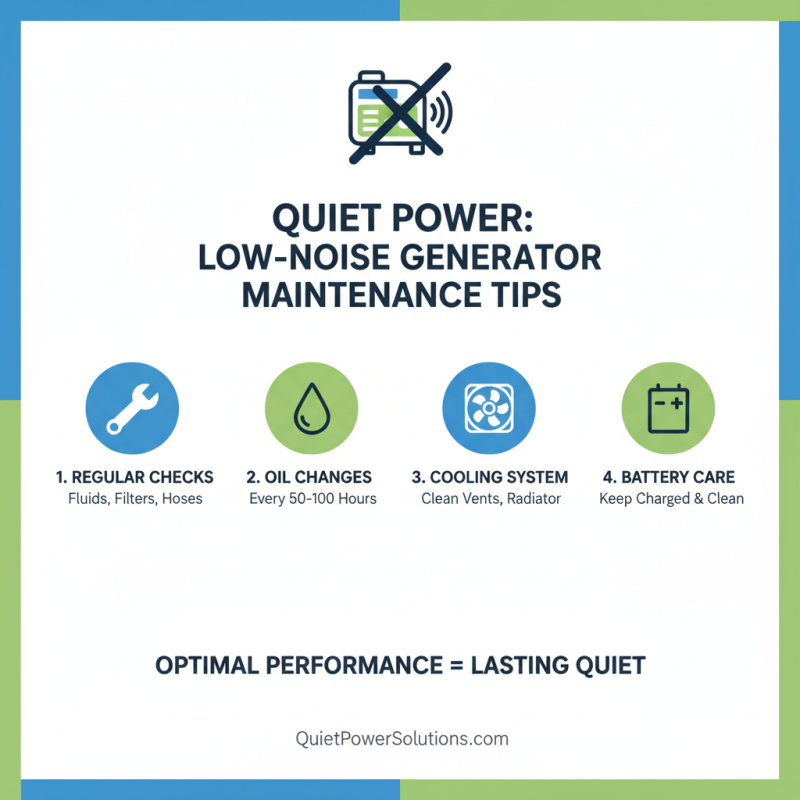
First, check the oil levels frequently. Low oil can lead to engine damage. Change the oil as recommended by the manufacturer. Next, clean the air filter regularly. A clogged filter can decrease efficiency. Remember, a clean filter allows for better airflow.
Additionally, inspect the fuel system periodically. Look for leaks or signs of contamination. Old fuel can cause issues too, so replace it as necessary. Take the time to check connections and hoses. Loose connections can lead to operational problems.
Finally, consider the environment where the generator operates. Dirt and moisture can affect performance. Providing some shelter for your generator can help avoid these issues. Regular attention to these details will ensure a longer lifespan for your low noise generator.