What Is a Low Noise Generator Set and How Does It Work?
A Low Noise Generator Set supplies dependable electrical power while reducing the mechanical and airborne sounds common in conventional generators. It is designed for locations where noise affects comfort, concentration, or communication, including hospitals, construction sites, offices, and residential areas. The goal is not complete silence. That expectation is unrealistic.
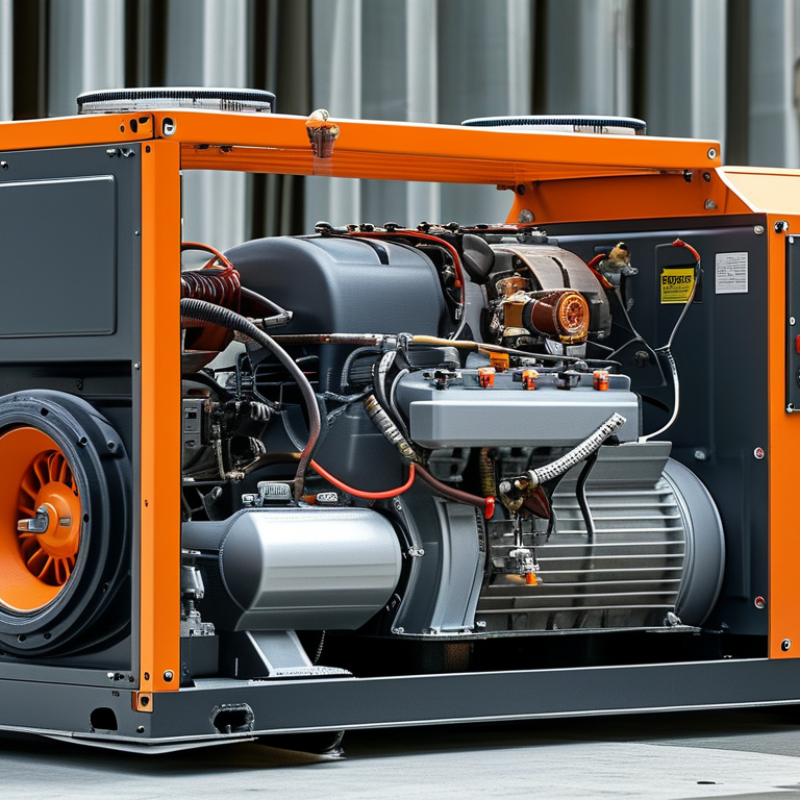
Its quieter operation begins with a carefully engineered acoustic enclosure. Thick, fire-resistant panels absorb and block engine noise, while ventilation channels allow cooling air to move safely. Rubber mounts reduce vibration between the engine, alternator, and frame. A residential-grade muffler also lowers exhaust sound before gases leave the system. Inside the set, the diesel or gas engine turns the alternator, which converts mechanical energy into electrical power. Sensors and a control panel then monitor voltage, frequency, temperature, and operating conditions.
In real installations, performance depends on more than the generator itself. Distance, concrete surfaces, airflow, maintenance, and load level can all change the final sound experience. A clean air filter and properly tensioned belts may help preserve quieter operation. However, manufacturers should verify acoustic claims through recognized testing methods, not casual listening alone. Decibel readings require proper equipment and consistent measurement distances. Small details matter.
This guide explains the main components, operating process, noise-control methods, and practical selection factors behind a Low Noise Generator Set. It also examines common limitations, because every design involves trade-offs between sound reduction, cooling, size, cost, and service access. Understanding those compromises supports safer and more reliable decisions.
Definition and Core Purpose of a Low Noise Generator Set
A low noise generator set is a power unit engineered to reduce engine, exhaust, cooling, and vibration sounds. Its core purpose is simple: provide dependable electricity without overwhelming nearby people or equipment. Acoustic enclosures absorb sound, while flexible mounts limit vibration through the floor. Silencers reduce exhaust pulses. Variable-speed fans can also lower cooling noise during lighter loads.
Noise is measured in decibels, usually dB(A), at a stated distance. Many commercial specifications target about 60–75 dB(A) at seven metres, but results change with load, enclosure design, and testing conditions. ISO 8528-10 describes methods for measuring generating-set airborne noise. The World Bank Group’s Environmental, Health, and Safety Guidelines use 55 dB(A) daytime and 45 dB(A) nighttime as residential limits in many project assessments. These figures show why placement matters.
A quiet generator is not silent. That distinction is often missed.
Tips
CHECK
the test distance before comparing products. Inspect the ventilation openings, exhaust silencer, and anti-vibration mounts. Measure noise at the property boundary, not only beside the enclosure. Keep reflective walls away when possible. A practical site test can reveal more than a brochure. Weather, electrical load, and aging components can change performance, so “low noise” should remain a measured claim.
Main Components That Reduce Generator Noise
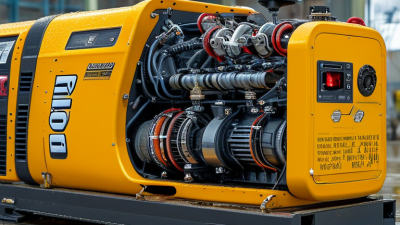
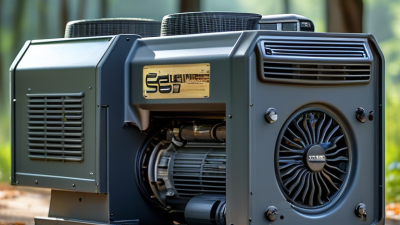
A low noise generator set produces electricity while controlling the mechanical and exhaust sounds created by its engine. The engine turns an alternator, and the control system regulates voltage and frequency. Noise reduction begins with the enclosure. Thick, sound-absorbing panels surround the engine without blocking essential airflow. Internal acoustic foam helps reduce reflected sound, especially high-frequency noise.
The cooling system also matters. A large, slow-speed fan can move enough air with less turbulence than a small, fast fan. Flexible mounts separate the engine and alternator from the base frame. They reduce vibration travelling through the floor. Exhaust silencers weaken pressure pulses before gases leave the machine. Flexible exhaust connections prevent vibration from reaching nearby pipes.
Air enters through baffled openings, which guide cooling air while limiting direct sound paths. Doors use sealed edges, but poor seals can quickly reduce performance. Regular maintenance keeps the result reliable. Loose panels, worn mounts, or a blocked filter may create new noise. Quiet operation is never produced by one component alone. It is a balance.
In field use, measured sound levels can differ from advertised values. Distance, wall surfaces, load, and wind all affect the result. This is easy to overlook. A practical installation should allow airflow, service access, and safe exhaust discharge. Lower noise should not mean restricted cooling or difficult maintenance. The best design controls sound without sacrificing engine temperature, electrical stability, or operator safety.
How a Low Noise Generator Set Produces Electricity
A low noise generator set produces electricity through the same basic process as a conventional diesel or gas generator. Fuel burns inside the engine, creating mechanical rotation. This rotation drives an alternator, where a magnetic field moves across copper windings and creates alternating current. An automatic voltage regulator adjusts the electrical output as loads change. According to ISO 8528-1, generator performance should be assessed under defined operating conditions, not only at no-load speed. That matters because a quiet generator can become noticeably louder when powering pumps, compressors, or air-conditioning equipment.
Noise control begins around the engine. Acoustic insulation, vibration mounts, a tuned exhaust silencer, and a carefully designed cooling fan reduce airborne and structural sound. Many low noise units operate around 65–75 dB(A) at seven metres, although installation and load can change this result. ISO 3744 provides a recognised method for measuring sound power, while the World Health Organization links excessive environmental noise with sleep disturbance and other health concerns. Real sites are less predictable. Walls may reflect sound, and poor airflow can force the fan to work harder.
Tips:
Place the set on a rigid, level base and keep exhaust outlets away from occupied areas. Leave enough clearance for cooling air. Measure noise after installation, not only in a factory test. A simple evening check can reveal problems missed during daytime testing. Silence is rarely absolute; practical control is the goal.
Step-by-Step Process of Noise Control During Operation
A low-noise generator set controls sound through several connected stages. During operation, technicians first identify the main sources: engine combustion, cooling fans, exhaust pulses, and frame vibration. A sound-level meter helps locate peaks around the enclosure, air openings, and exhaust outlet. Readings should be taken at a fixed distance and under a steady electrical load. Otherwise, comparisons become unreliable. This measurement step is practical, but it is often rushed.
The control process then begins at the source. A rigid frame with resilient mounts limits vibration travelling into the floor. Inside the enclosure, dense panels block direct sound, while acoustic lining absorbs reflected energy. Air enters through baffled channels rather than open gaps. The cooling fan still needs enough airflow; excessive insulation can raise engine temperature. That trade-off requires monitoring, not guesswork. Small leaks around doors or cable routes can also weaken the design.
Exhaust noise is reduced with a correctly sized silencer and flexible connections. The exhaust path must remain clear and safely discharged. Operators should inspect mounts, seals, panels, and fan bearings during scheduled service. Worn components can make a quiet set suddenly harsh. After maintenance, technicians repeat sound measurements at idle and working load. Results should record location, distance, load, and weather conditions. Field experience shows that noise control is not a one-time installation task. It changes as the machine ages.
Key Applications and Performance Factors of Low Noise Generator Sets
A low noise generator set produces electricity while limiting mechanical and exhaust noise. Its engine drives an alternator inside an acoustic enclosure. Sound-absorbing panels reduce engine vibration and airborne noise. Flexible mounts also prevent vibrations from entering floors and nearby structures. It is quieter, not silent.
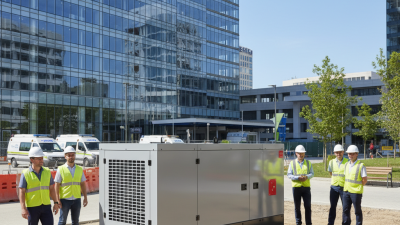
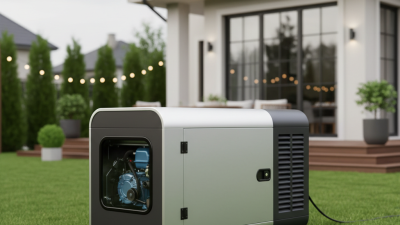
These generator sets suit hospitals, hotels, schools, residential buildings, and outdoor events. They are useful where conversation, sleep, or patient comfort matters. Construction sites may also use them near offices or occupied homes. In practice, operators should check the noise rating at a stated distance. A number without measurement conditions can mislead.
Performance depends on more than the enclosure. Engine speed, load level, ventilation design, and exhaust treatment affect sound output. Heavy loads may increase fan and engine noise. Poor airflow can raise temperatures and reduce service life. Regular maintenance helps control rattling panels, worn mounts, and unusual exhaust sounds. Field technicians should inspect the unit after installation, because walls can reflect noise toward occupied areas. Real sites are rarely ideal. A quieter set may also cost more and require more careful access planning. Designers should balance noise control, fuel use, cooling capacity, and maintenance space before selecting the equipment.