How to Select the Right Generator Set for Your Power Needs?
Selecting the right generator set is crucial for meeting power needs. According to industry reports, the global generator set market is expected to reach $24 billion by 2025. This growth is driven by increasing energy demands and the need for reliable backup power solutions.
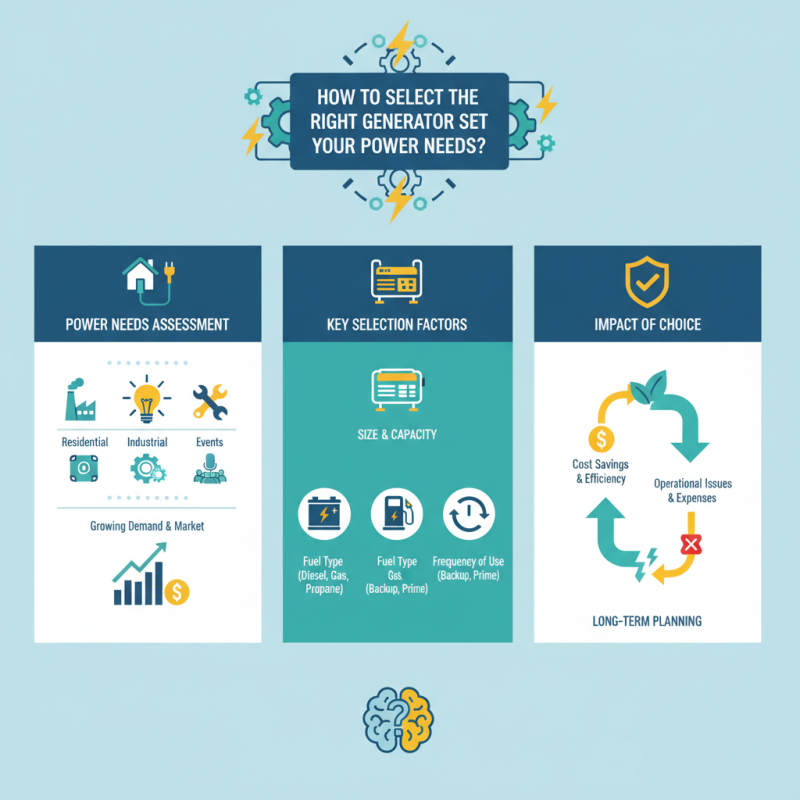
Generator sets play a vital role in industries, homes, and events. They offer power during outages or in areas without access to the grid. However, choosing the appropriate generator set is often challenging. Factors like size, fuel type, and frequency of use must be considered. Misjudging these can lead to inadequate power supply or unnecessary expenses.
Understanding power requirements and evaluating available options is essential. Using a generator set that meets specific needs can prevent operational issues. It is critical to reflect on the long-term implications of this decision. Proper selection can save costs and enhance efficiency. Nevertheless, many overlook these factors, leading to regrettable outcomes.
Understanding Your Power Requirements for Generator Selection
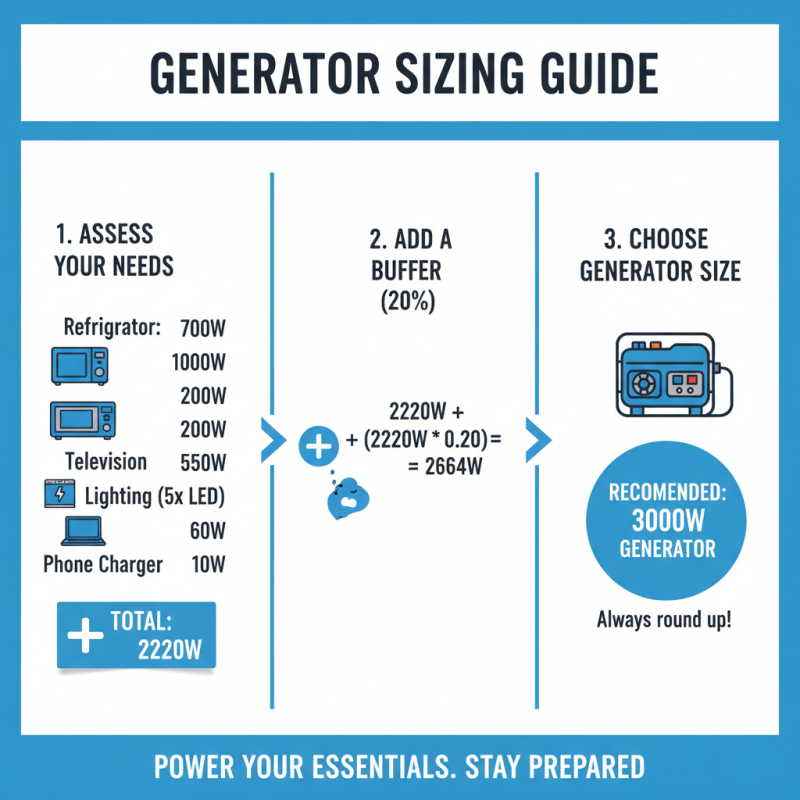
Understanding your power requirements is crucial when selecting a generator set. Begin by assessing your total wattage needs. According to the IEEE Power and Energy Society, a standard household typically requires between 3,000 to 5,000 watts for basic functions. But specific appliances, like air conditioners or heaters, can significantly raise this figure. Create a list of essential devices to gauge the total load.
Consider the type of power you need: continuous or standby. Continuous power serves businesses or applications that run 24/7. Standby power is used during outages. Data from the U.S. Energy Information Administration shows that nearly 30% of businesses experience power outages each year. This can lead to data loss and revenue drops, emphasizing the need for a reliable backup.
Evaluate run time, fuel type, and portability. A portable generator may suffice for occasional use. However, a stationary model might better serve your needs for frequent, high-demand usage. Remember that maintenance can burden costs. A poorly maintained generator, regardless of specifications, might fail entirely when you need it most. Reflect on your actual usage patterns and expected power fluctuations to avoid overcommitting.
Types of Generator Sets and Their Applications
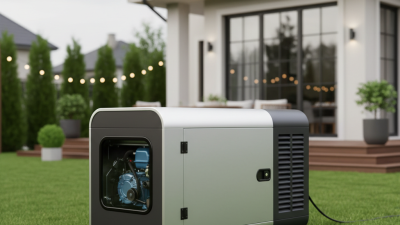
When selecting a generator set, understanding the different types is crucial. Portable generators are popular for residential use. These units typically produce between 1,000 to 10,000 watts. They are ideal for outdoor events or emergency power during outages. According to industry reports, the portable generator market is projected to grow by 5.6% annually. This serves various needs, from powering tools to providing backup energy for essential appliances.
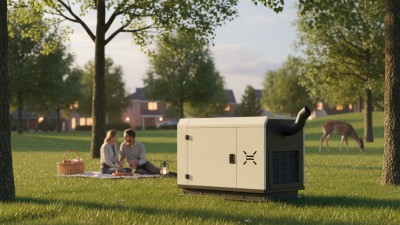
For larger power demands, standby generators come into play. These units are permanently installed and automatically switch on during a power failure. They can range from 5,000 to 50,000 watts. The residential standby generator market has reached approximately $1.5 billion in recent years. Many homeowners find peace of mind in knowing their homes will stay powered. However, installation costs can be high, and maintenance must not be overlooked.
Industrial generator sets, on the other hand, are designed for heavy-duty use. They are used in manufacturing, construction, and mining. These generators can produce from 50 kW to over 2,000 kW. The global market for industrial generators is expected to exceed $30 billion by 2025. While these units are powerful, they can be less fuel-efficient. Depending on the application, users may need to consider environmental impacts and operational costs, which can vary widely.
Power Needs and Generator Set Types
Key Features to Consider When Choosing a Generator Set
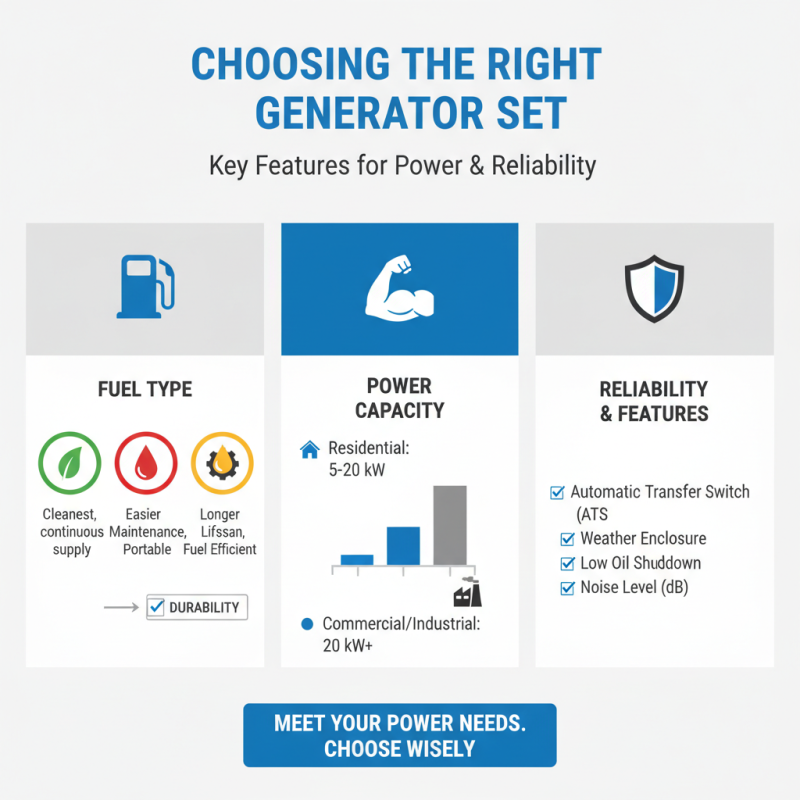
Choosing the right generator set is crucial for meeting your power needs effectively. When considering your options, focus on key features that can impact performance and reliability. Fuel type is one of the first things to look at. Generators can run on diesel, gasoline, or natural gas. Each fuel type has its pros and cons. Diesel generators often last longer, while gasoline models can be easier to maintain.
Another important feature is power output. Assess your total wattage needs carefully. Determine the starting and running wattage for your devices. This ensures you won’t overload the generator. Look for a model that provides a bit more wattage than you anticipate needing. This will cover unexpected demands.
**Tip:** Always think about portability versus stationary units. If you need to move your generator frequently, weight and design play significant roles. Check how easy it is to transport.
Lastly, consider the noise level. Some models operate quietly while others can be extremely loud. A quiet generator is ideal for residential areas. Noise can be a big issue, especially during nighttime use. Reflect on where you will use the generator and ensure it won’t disturb others.
Assessing Fuel Types and Efficiency for Your Generator Needs
When selecting a generator set, understanding fuel types is crucial. There are several options available, including gasoline, diesel, natural gas, and propane. Each fuel has its pros and cons. For instance, gasoline is widely available but less efficient. Diesel offers great efficiency and longevity, but it can be noisy and produce emissions. Natural gas burns cleaner but might require a continuous supply. Propane is versatile and portable, yet may be harder to find in some locations.
Efficiency matters too. A generator's efficiency affects operating costs. An efficient generator consumes less fuel while delivering the same power output. Look for models with higher ratings to save money long-term. Testing your expected load can help in choosing the right size and type.
**Tips**: Always assess power requirements before purchase. Consider how often you will use it. If it’s for occasional use, a smaller unit may suffice. Think about storage and availability of fuel types in your area. Finally, remember that maintenance can impact efficiency and performance. Don’t overlook these aspects when making your decision. Always aim for a balance between fuel type and efficiency to meet your needs effectively.
Maintenance and Support Considerations for Long-term Use
When selecting a generator set, it's crucial to plan for
long-term maintenance and support.
Regular maintenance ensures the generator operates efficiently.
Oil changes, filter replacements, and coolant checks should be scheduled consistently.
Neglecting these tasks can lead to significant issues down the line. The cost of repairs can far exceed regular maintenance efforts.
Support options are equally important. Ensure there’s access to
reliable technical support.
It helps to have a local service provider for urgent repairs. Many users overlook this aspect, only realizing its importance when issues arise.
Extended warranties can be valuable, providing peace of mind during ownership.
Consider these elements before making a purchase. Doing so can save time and prevent unnecessary frustration later.