Welcome to our websites!
nybjtp

What Is a Cummins Generator Set?

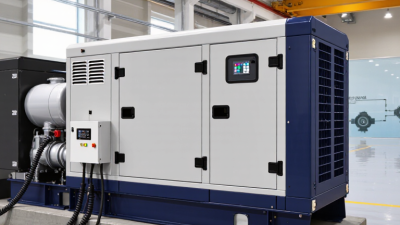
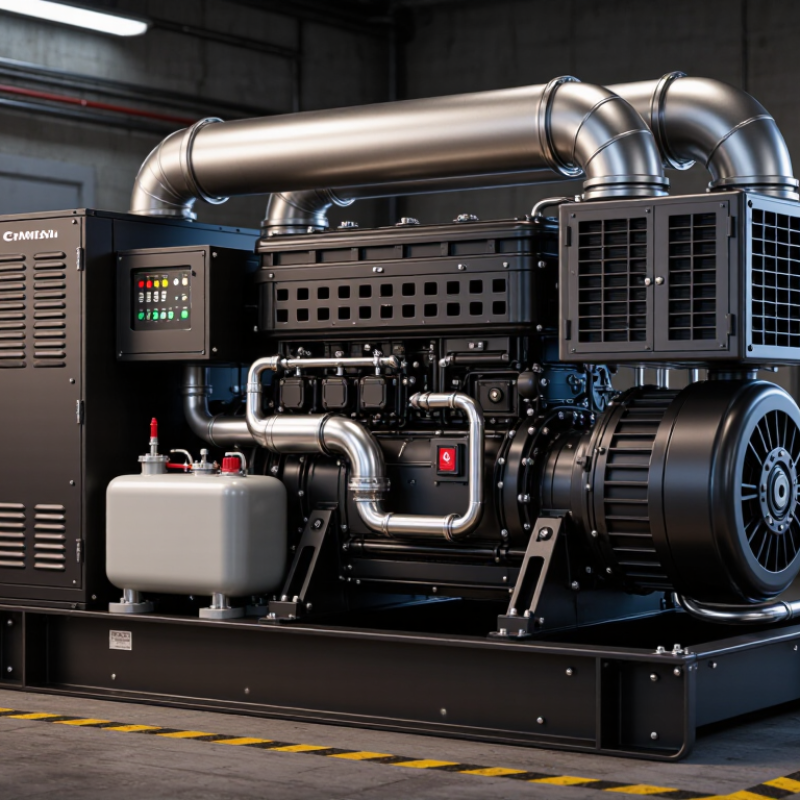
A Cummens Generator Set is a diesel-powered system designed to supply dependable electricity when utility power fails. In technical terms, it combines an engine, alternator, control panel, fuel system, cooling package, and protective enclosure. These parts work together to convert diesel fuel into controlled electrical output. The name is often written as “Cummens,” although the established manufacturer name is Cummins. That distinction matters when checking manuals, parts, and service records.

In a hospital, it may support emergency lighting, ventilation, and essential medical equipment. On a construction site, it can operate pumps, tools, and temporary distribution boards. A properly sized unit responds to changing loads without excessive voltage or frequency variation. Its rating, usually expressed in kW or kVA, should match running and starting demands. A motor-driven pump can require several times its normal starting current. Small details matter.

Reliable operation depends on more than the engine badge. Fuel quality, battery condition, coolant level, exhaust routing, and scheduled testing all influence performance. A technician should review site load, altitude, ambient temperature, and transfer-switch arrangements before recommending equipment. Installation also requires qualified professionals and compliance with applicable electrical, fire, emissions, and workplace rules. Field experience shows that neglected batteries often cause failures during manageable outages. Power is never automatic. This guide examines how these generator sets work, where they fit, and which specifications deserve careful attention. Some recommendations may change after a site survey, so careful review remains necessary.
What Is a Cummins Generator Set?

Definition and Purpose of a Cummins Generator Set

A generator set combines an engine, alternator, control panel, fuel system, and cooling equipment. It converts fuel energy into electrical power when the utility supply fails or cannot meet demand. Its purpose is practical: protect critical loads, maintain production, and support essential services. Typical applications include hospitals, construction sites, factories, and data centers.

The International Energy Agency’s Electricity 2024 report forecasts global electricity demand growth of about 4% in 2024 and 2025. This rising demand increases pressure on electrical networks. A generator set can provide standby, prime, or continuous power, depending on its design and operating schedule. Automatic transfer equipment can start the unit within seconds after an outage. The label “backup power” can mislead, though. Poor sizing, weak maintenance, or unsuitable fuel storage can still cause failure. Sizing is rarely perfect on the first attempt.

Tips: Start with the actual load profile, not only the facility’s total connected load. Record motors, heaters, pumps, and sensitive electronics separately. The Uptime Institute’s annual data center surveys repeatedly identify power interruptions as major operational risks. Test the set under realistic load conditions. Check batteries, coolant, exhaust paths, and fuel quality. Small details matter. A site assessment from an experienced electrical engineer improves reliability, but it cannot replace regular testing and honest review.

Main Components and How They Work Together

What Is a Generator Set?

A generator set combines an internal-combustion engine, alternator, fuel system, and control panel. The engine burns fuel and turns the alternator through a shaft. The alternator then converts mechanical energy into electricity. Simple in theory. Real systems are less forgiving.

The fuel system stores and filters fuel before injection. A governor adjusts engine speed when appliances add or remove load. The alternator controls voltage through its excitation system. Meanwhile, the cooling circuit removes heat, while the exhaust system directs hot gases away from the enclosure. A battery starts the engine, and the controller monitors oil pressure, coolant temperature, frequency, and voltage. An automatic transfer switch detects utility failure and moves the load to generator power. The sequence must be fast, but not careless.

In field testing, a loose battery terminal can delay starting more than a major component fault. That detail is easy to miss. IEA’s Electricity 2024 report estimates that data centers used about 460 TWh of electricity in 2022. Demand could exceed 1,000 TWh by 2026. Reliable backup systems therefore matter more during short interruptions. Uptime Institute’s 2024 Global Data Center Survey also identifies power-related issues as a continuing outage concern. ISO 8528 load ratings help compare performance, but a nameplate cannot reveal poor maintenance. I would inspect fuel quality, ventilation, transfer timing, and load-bank results before trusting any installation.

What Is a Generator Set? – Main Components and How They Work Together

A generator set combines an internal-combustion engine, an electrical generator, and control systems to convert fuel energy into usable electrical power.

System or Component Primary Function Typical Data or Specification How It Works with Other Components
Diesel or Gas Engine Provides mechanical power by converting fuel energy into rotating shaft power. Commonly four-stroke; speed is usually 1,500 rpm at 50 Hz or 1,800 rpm at 60 Hz for a four-pole alternator. The engine drives the alternator rotor through a direct coupling or flexible coupling.
Fuel System Stores, filters, and delivers fuel at the required pressure and flow rate. Diesel fuel consumption is commonly about 200–250 g/kWh at high load, depending on engine size and design. Fuel reaches the engine through a tank, supply lines, filters, and an injection system; unused fuel may return to the tank.
Air Intake and Filtration Supplies clean air for combustion and protects the engine from dust and particles. A replaceable dry-type air filter is common; turbocharging may be used to increase air density and output. Filtered air enters the cylinders, where it mixes with injected fuel and supports combustion.
Cooling System Removes heat from the engine and maintains a stable operating temperature. Liquid-cooled systems commonly use a radiator, water pump, thermostat, coolant, and fan; coolant temperature is often maintained near 80–95°C. The cooling circuit transfers engine heat to the radiator, where airflow releases it to the surrounding environment.
Lubrication System Reduces friction, removes some heat, and limits wear inside the engine. Includes an oil sump, pump, filter, pressure sensor, and oil passages. The oil pump circulates filtered oil through bearings, pistons, and other moving parts while sensors monitor pressure and level.
Alternator Converts the engine’s mechanical rotation into electrical energy through electromagnetic induction. Usually a brushless synchronous alternator with three-phase output; efficiency commonly ranges from approximately 90% to 97%. The rotating magnetic field induces voltage in the stator windings, producing electricity for the connected load.
Automatic Voltage Regulator Maintains stable generator output voltage as the electrical load changes. Many modern systems can regulate voltage to approximately ±1% under steady operating conditions, depending on design and load. It adjusts the alternator’s excitation current in response to voltage feedback from the output terminals.
Governor or Engine Speed Control Controls engine speed so that output frequency remains within the required range. Nominal frequency is typically 50 or 60 Hz; electronic governors provide faster and more precise control than mechanical systems. When load increases, the governor adds fuel to prevent speed and frequency from falling excessively.
Starting System Cranks the engine until it reaches self-sustaining operating speed. Usually includes a rechargeable battery, starter motor, battery charger, and starting solenoid. The controller activates the starter motor, then disengages it when the engine starts and reaches the required speed.
Exhaust System Directs combustion gases away from the engine and reduces noise. Normally includes an exhaust manifold, flexible connector, muffler, piping, and an outdoor discharge point. Exhaust gases leave the cylinders through the manifold and are routed safely outside the installation area.
Control Panel Monitors operating conditions, starts and stops the set, and displays alarms and electrical measurements. Common readings include voltage, current, frequency, engine speed, oil pressure, coolant temperature, runtime, and fault status. It receives signals from engine and alternator sensors and sends commands to the starter, fuel system, governor, and protective devices.
Circuit Breaker and Protection Protects the generator and distribution system against overloads and short circuits. Protection may include overcurrent, overvoltage, undervoltage, underfrequency, overspeed, and earth-fault functions. The breaker connects the generator to the load when conditions are safe and disconnects it during a serious fault.
Base Frame and Vibration Isolators Supports the engine and alternator and limits vibration transmitted to the foundation. A rigid steel frame with spring or rubber isolators is commonly used; the frame may also contain the fuel tank. The frame keeps the rotating equipment aligned while isolators reduce mechanical vibration and noise.
Automatic Transfer Switch Transfers selected electrical loads between the normal utility supply and the generator supply. A typical system starts the generator after detecting a utility outage and transfers the load after voltage and frequency stabilize. It provides the start signal to the controller, switches the load to generator power, and returns the load to utility power when it is restored.
Operating Sequence: The controller detects a power failure, the starting system cranks the engine, the governor stabilizes speed and frequency, the alternator produces electricity, the voltage regulator stabilizes output voltage, and the transfer system connects the approved loads.

Types of Cummins Generator Sets

A generator set combines an engine, alternator, control panel, and fuel system. Its type depends on workload, installation, and expected operating hours. Standby generator sets support buildings during utility failures. They may start automatically within seconds. Hospitals, offices, and homes often use this arrangement. The load is usually temporary, not continuous.

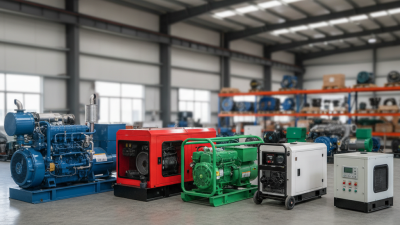
Prime generator sets operate where grid power is unavailable or unreliable. Construction sites, farms, and remote workshops may use them for several hours daily. Continuous-duty sets run at a steady load for long periods. They suit industrial facilities and isolated power systems. Mobile generator sets add transport wheels, lifting points, and compact frames. They can follow changing work locations. Noise matters.

Fuel choice creates another practical difference. Diesel models offer strong torque and efficient performance under heavy loads. Natural-gas models can provide cleaner combustion where a stable gas supply exists. Hybrid systems may combine a generator with batteries and solar equipment. This can reduce fuel use during light loads. However, battery capacity, weather, and maintenance still matter.

In field experience, sizing is often treated too simply. A unit matching the average load may struggle during motor starting. Pumps, compressors, and refrigeration equipment can demand several times their running power. A load survey should record starting currents, operating schedules, and future expansion. I would also question optimistic fuel figures. Real sites have dust, heat, poor cables, and uneven maintenance. Those details change performance.

What Is a Generator Set? Types of Generator Sets

Generator sets convert mechanical energy from an engine into electrical power. The chart shows representative rated output levels for common generator set categories. Actual capacity varies by application, configuration, fuel, and operating requirements.

Key Performance Features and Specifications

What Is a Generator Set?

Key Performance Features and Specifications

A generator set combines an engine, alternator, control system, and protective housing. Its performance depends on how these parts work together under changing loads. ISO 8528 classifies generator sets by standby, prime, and continuous ratings. These ratings are not interchangeable. A standby unit may support emergency loads, but it may not tolerate extended daily operation.

Output capacity is only one specification. Engineers also check voltage, frequency, phase configuration, fuel consumption, and transient response. A 500 kW set, for example, can struggle when large motors start together. Better systems limit voltage dips through automatic voltage regulation and faster engine controls. A practical load-bank test can reveal weaknesses that a brochure hides.

Noise and emissions matter near hospitals, offices, and residential areas. The International Energy Agency reported that global electricity demand increased by about 2.2% in 2023, adding pressure to backup systems. Meanwhile, Uptime Institute’s 2024 data-center survey continued to identify power-related failures as a major outage cause. This supports careful testing, though backup generators are not a complete reliability strategy. Fuel storage, cooling airflow, battery systems, and maintenance schedules can still fail.

Real installations deserve measurement. Record fuel use, exhaust temperature, frequency stability, and recovery time during testing. Small oversights become expensive. Specification sheets can also simplify acoustic limits and site conditions.

Common Applications and Selection Considerations

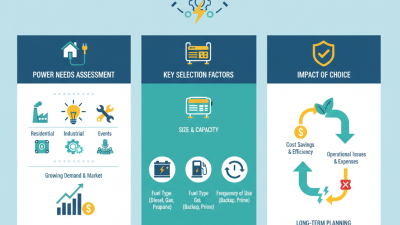
A generator set combines an engine, alternator, control system, and fuel system to provide electricity when the utility supply fails. Its value depends on the application, not simply its rated output. Hospitals need fast transfer and dependable operation. Construction sites often require prime power in dusty, remote conditions. Data centers demand tested standby capacity, automatic transfer, and careful fuel planning.

The International Energy Agency’s Electricity 2024 report estimates that data centers used about 460 TWh globally in 2022. Their electricity demand could exceed 1,000 TWh by 2026. This growth increases the need for resilient backup systems. Uptime Institute’s 2024 Annual Outage Analysis reported that power problems were involved in 52% of impactful data-center outages. Yet sizing is often based on optimistic load estimates. That can create expensive gaps during motor starts or sudden demand changes.

Tips: Define the load profile before choosing capacity. Separate essential and nonessential circuits. Check altitude, ambient temperature, noise limits, fuel storage, and maintenance access. Select standby or prime ratings carefully. Test the full system under realistic load. A brief factory test is useful, but field conditions are less forgiving. Allow expansion, but avoid excessive oversizing, because lightly loaded engines may perform poorly and waste fuel.